
November 2013 - CandleLighters.ca
Hearing Loss – Causes, Treatment and Considerations
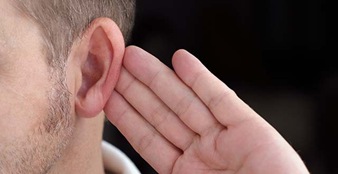 The human ear is one of man’s five sensory organs and allows him to hear sounds. It is also one of the three sensors (sight, sound, feel) that control human balance. This article will cover the functioning of the ear as the primary organ for hearing sounds, how and why hearing loss sets in, what treatment is possible and other considerations such as the cost factor and aid programs for the poor.
The Human Ear
The human ear is composed of three sections
· The visible outer ear
· The complex inner ear
· The intervening middle ear
The Outer Ear
The outer ear comprises the ear lobe, the ear canal going inwards and the eardrum (tympanum), where the progressively narrowing ear canal terminates.
The Inner Ear
The inner ear is a complex segment. It consists of three vestibular organs aligned with the three basic planes, viz., the x, y and z axes, which control outputs for human balance. These are also linked to a snail shaped organ called the cochlea, which converts sound pressure patterns from the middle ear into impulses stimulating the brain as sound, via the auditory nerve.
The Middle Ear
The middle ear starts from the inner side of the eardrum, ending at the cochlea. The middle ear contains three bones, the hammer, anvil, and stirrup which transfer vibration of the eardrum as sympathetic waves to the cochlea, which then triggers the brain. It is connected to the nasal cavity via a tube called the Eustachian tube that equalizes the air pressure on both sides of the eardrum.
Loss of Hearing
Amongst adults, the two leading causes that result in a reduction of hearing capability are age and exposure to noise.
· Age: A number of delicate organs transfer impulses to the brain to be interpreted as noise. With age, all these organs suffer gradual degradation, at times accelerated by injuries and medication containing arsenic, specific antibiotics, mercury and other substances detrimental to the hearing system. This starts around the age of 40-45 years, right through a lifespan. The average human can expect total loss of hearing at 80-90 years, by which time the cochlea will be irreparably damaged. High frequency or shrill noises like kids’ or female voices, as well as certain consonants, become difficult to hear. The loss tends to be permanent.
· Exposure to noise: Noise is detrimental to hearing. Prolonged exposure to noise can affect everybody, and develops at a slow pace over years. Once again, the cochlea is damaged. Examples of people prone to such damage include workers operating drilling machines, aircraft technicians not wearing ear guards in the operational area, staff at discotheques, music freaks that bombard themselves with loud music through their earphones, and so on.
Other Causes
Other reasons could be:
· Side effect of a stroke.
· Perforated eardrum, usually caused when trying to clean your ear with cotton-tipped swabs, matchsticks, etc.
· Noncancerous tumors in the ear canal.
· Suddenly exposure to a loud explosion or blast.
· A genetic progression in certain families.
· Diseases such as mumps or measles.
Common Treatment and Remedy Options
The moment you find yourself increasing TV volume, asking others to repeat their statements, one ear working better than the other or a ringing sound in your ears, set up an appointment with an ear/nose/throat (ENT) specialist plus an audiologist. They will carry out a battery of tests to identify what’s wrong. A minor surgery may be called for, though chances are remote. They will generally conclude with three options for you: a cochlear implant, a hearing aid or a direct bone conductor.
· Cochlear Implants: A cochlear implant is designed to compensate for irrecoverably injured segments of your inner ear. Do weigh the pros and cons before deciding.
· Hearing aids: If your inner ear is causing the hearing loss, the option of hearing aids can be explored. Fitted inside or just behind your ear, they magnify sounds entering your ear electronically and direct them into the ear, making it simpler to hear what’s being said. Discuss brands with the audiologist and select one he can fix you up with. Nothing stops you from buying an inexpensive device, as long as you are happy with its performance.
· Direct Bone Conduction: Hearing aids aid you by redirecting all sounds close to your ear into the air passage in your ear. If that ear passage is impenetrable, direct bone conductors can be opted for, to trigger your inner ear by stimulating the bone in the skull closest to the inner ear.
The Cost Factor
Hearing aids are not covered by insurance companies; you will need to buy yourself a pair. Cochlear Implants come under the insurance umbrella, while Implantable Direct Bone Conductors are covered by Medicare. You should discuss these issues with the doctor and your family before making a decision. The cost of treatment also varies from city to city, for example, the cost of consulting a ear doctor Orange County, California, would generally be less than that in New York.
The range of hearing aids in California costs between $1,000-4,000 versus $500-2860 in New York. Cost depends on the type of technology implemented and mode of use (in the ear, behind the ear, etc.). New York had an overall outlay of $ 8,341 in healthcare spending per person in 2009, as against $6,238 for California.
A Natural Organic Approach for Thinning Hair Remedies
 In today’s modern way of manufacturing things that we use on a daily basis, we are confronted with the question of value regarding the effects of the substances put into our food and medicines. We often wonder if these substances can really give us the benefit that we seek as to their effectiveness or does it give us more than what we know? There have been recent studies that conclusively prove that synthetic organic compounds that are added to the products we use can have some undesirable effect when it comes to our health. In regards to food and medicines, synthetic organic compounds are used primarily to imitate the most active natural ingredients that can be found in nature.
In this case, synthetic compounds have been used because of it’s faster way of reacting with our bodies at a much shorter amount of time compared to natural ingredients. Thus it can be said, that it is an economical way of mass producing all of our supplementary and medicinal needs. Unfortunately, clinical studies also concur that the prolonged use of products that were manufactured with these inorganic compound also induce unwanted toxicity in our bodies because we can not completely excrete these chemical byproducts left inside our system.
These often lead to the accelerated deterioration of bodily organs, particularly our internal organs that include the liver, the kidneys and the spleen and pancreas. Manufacturers nowadays are trying to slowly veer away from manufacturing practices that involve the use of synthetic inorganic compounds, and are reformulating their products with more natural based ingredients. A natural organic approach to thinning hair remedies involve the use of naturally derived compounds from common plants such as aloe vera, coconut oil, jojoba plants and a lot of other specie of flora that are in abundance from other places.
A good example to contend with is the use of aloe vera as a conditioning agent for hair. Aloe vera has been used in ancient times in other parts of the world such as India and South East Asia. The frequent use of aloe vera can prevent the build up of dandruff flakes, reduce the excessive excretion of sebum and give hair a natural silky shine, which is noticeable in Asian women. Another example would that the frequent use of lemon grass to reduce scalp itchiness and irritation. Lemon grass, which is endemic to Asia, can also prevent the infestation of head lice.
Plants can be a source of alternative ingredients that can benefit people with hair loss problems that do not want to use synthetic chemical compounds that are usually present in almost any thinning hair shampoo. Plants have a natural active ingredient that will not cause any damage to your scalp which is a promising alternative compared to that of synthetically formulated topical shampoos that may provide a real time solution but has a long term ill effect on your hair and scalp. Plant extracts also provide a natural source of vitamins for thinning hair that can improve your hair loss condition without submitting your scalp to any unnecessary chances of getting itchy scalp or allergic reaction.
Alternative Ways to stop Blushing
 Most people never have to worry about blushing but form some it’s a problem they deal with on a day-to-day basis. It is such a problem for many people; they will visit a doctor and seek some kind of medicine to help them with their illness. Seeing a doctor about this problem is totally unnecessary as there are several natural ways to stop blushing. Blushing will no longer have to be an extremely embarrassing moment. You will be able to live your life with confidence knowing you have complete control of when and where you choose to blush. This article will go over some of the best-kept secrets to help you naturally stop blushing.
If you are an extreme blusher you probably already know that the best way to stop blushing is to never start in the first place. This is because when you blush it is really hard to stop the blood flow from going into your cheeks. Once your blushing you are probably nervous, stressed out, and embarrassed. This is going to cause you to blush even more. Whenever you think you are about to blush just relax.
Learning good relaxation techniques is one of the easiest ways to help with blushing. The best part about these relation techniques is they are completely natural. You will not have to worry about putting some weird pills in your body. The basics of relaxing involve breathing in and out. If you feel like you are about to stop blushing you want to breath in really slowly and then breath out. Make sure you are breathing in as much as you possibly can and then you are breathing out. This will not only help you relax, but it will aid you in controlling your blood flow and keeping it a way from your cheeks. The next step to relaxation is closing your eyes. We all have places we love to be, places that make us feel comfortable, happy, and relaxed. Close your eyes and imaging your in this happy place. Imagine you are away from the stress and your in a place where blushing never ever happens. http://myerythrophobiacure.com has a lot more tops on how to stop blushing.
If you relaxed and notice you are still blushing, then you might have to take drastic measures. In most cases you can’t simply leave a room when you start blushing so try this tip. Next time you start blushing simply put your hands above your head. You can do this very naturally so it doesn’t look odd. All you have to do it slowly put your hands up and yawn. The action should look like you are stretching. This will help re-direct your blood flow away from the face and towards the heart. Even if someone looks at you and your cheeks are a little rosy, don’t worry about it. You will just look like you’re stretching. Which is totally normal.
We realize erythrophobia is a real thing, which many people have. So if you’re having a hard time learning how to stop blushing, just follow these natural tips. If you implement them correctly, you will never have to worry about blushing again.
3 unconventional methods to cure the common cold
 The winter months are approaching and the weather has already started to get colder marking the new “cold and flu season” for many of us. Catching a cold is extremely common and while it’s not currently 100% curable, the good news is that you can prevent the common cold or even make it heal faster with the help of the following three tips:
1.) Prevention is the key. It is said that “prevention is the best cure” and we couldn’t agree more- if your immune system is in a top-notch condition, chances of catching a cold are minimal to none. One of the best ways to strengthen your immune system, is to make sure you get all your vitamins and minerals your body needs and especially Vitamin C and probiotics which help minimize oxidative damage and increase internal immunity respectively, so that your body is more capable of fighting future infections.
2.) Treat your symptoms naturally, at the first sign of a cold/flu. The vast majority of people make the mistake of treating their flu symptoms a few days after they have caught a cold which does almost nothing to make the cold heal faster. If you have just noticed some symptoms like sneezing, chest congestion, coughing or experiencing pain in various parts of the body, try these home remedies below to help your body fight an upcoming cold infection:
- Drink herbal tea: Certain herbal teas like lemon, ginger, parsley, rose hips and Echinacea, have antimicrobial and anti-inflammatory properties which means that they are capable of relieving common cold/flu symptoms. For added benefit, try adding a teaspoon of honey which nourishes and relieves from throat congestion.
- Steam your face: Steaming your face will help clear nasal airways and should help with any chest congestion caused by common flu. To steam your face, boil 1 liter of water in a stove, let it cool for a minute and then drape a towel over your head (facing the stove with the boiled water) and inhale the steam for about 10 minutes. You can also try adding some herbal tea in the boiled water for added cleansing action.
- Drink plenty of fluids and eat soups: When your body catches a flu, solid foods and heavy drinks with sugar do more harm than good. Your body needs adequate hydration in order to heal faster and for this reason, you have to drink natural fluids like water, vegetable/fruit juices and teas as well as consume soups with vegetables and protein rich foods (e.g. Chicken soup).
3.) Rest. Rest is very important because it helps your body recover faster and doesn’t require high amounts of valuable energy (which is low during cold/flu period). If you have light to mild symptoms, you can go outside and follow your normal routine but you should be extra careful not to stress yourself and do many things at once. If you have heavier symptoms, it’s best to stay at home and in bed, to give your body the chance to rest and recover faster from the illness.
Although alternative home remedies like those we mentioned above are considered more safe and cost-effective options, in some cases they may prove to be ineffective at treating common cold/flu symptoms. If the above tips do not seem to help, consult your family doctor and he/she will be able to recommend the best treatment options for your individual symptoms.
Guide to Joining a Gym & Keeping Fit
 Most of us, at one particular time or another, have said that we would make a visit to the gym. This is because nearly everyone wants to be fit, healthy and energetic.
However we often end up doing a lot of talking with no action to back up those words. Joining a gym does simply involve registering; it requires dedication, patience and hard work. Quite a number of people who join the gym often appear to outsiders as though they do not.
Even when you make casual visit to the gym, it is most likely that you will find one or two persons casually strolling on the treadmill or even reading a book, others will be chanting or conversing with their friends. This is how most people who go to the gym end up looking as though they don’t.
The following are some of the ways that one can make their decision to join a gym relevant:
Sticking with the program
Once a person joins the gym, the next the thing is to actually go to the gym. This sometimes can prove to be the hardest part. Regardless of how tired one is, it is crucial that they make at least two to three trips to the gym in week. This will help to build commitment. It will enable them to go all the way.
Do your research
Take a good look around at local gyms in your area. Look through gym directories to find the ideal gym or fitness trainer for your needs. Make sure that you compare and contrast all the different type of gyms too, as some peopel are better suited to 24 hour access gyms as opposed to gyms that do not open late at night.
Warming up
Once you arrive at the gym, do not immediately start to do sets, you have to first warm up for at least five minutes. This can be stretching or skipping.
Do not overdue it
It crucial that you do not over-train, this can lead to you feeling exhausted rather quickly and eventually giving up on the gym entirely. No need to do three sets if you are not an athlete, one set of ten or twenty is good enough. This will enable you to do more and stick with the program.
It is also essential that you use the various machines available. If you’re not training with free weights, then use the machines, alternate. In addition, make sure you work out all parts of your body, from the upper parts to the mid-section and the legs.
Work the major muscle groups
When a person works out their chest, they indirectly work out their shoulders and back. The more slowly the person moves the weight, the better the work out. If one conducts their training in a hurriedly manner, then inertia can take over meaning that they will not be able to fully work out their muscles.
Treat your body well
It is also good for a person to swim regularly, steam bath or make visits to the sauna room once in awhile. This ensures the overall fitness of the body. There is also diet. When it comes to fitness, it is crucial that one has a nutritional and healthy diet. The diet should be full of proteins, vitamins and minerals. This means vegetables, fruits and less fatty foods. Junk foods such as candy bars and other sugary foods should also be avoided.
Exercising even when not at the gym
On the days that you do not make it to the gym, it’s advisable to do some physical activities, usually a 30 minute walk or a run up and down a hill or a long flight of stairs.